 Ultra International B.V.

Product: Vetiver Oil
 VETIVERT


Vetiver Oil India Vetiveria zizanoides
-
Description
Vetivert oil Co2 Chrysopogon zizaniodies is unlike of other Vetiver oils in the market, Vetiver oil CO2 has no smoke odor due to the lower temperature and shorter processing time of Supercritical CO2 Extraction. The odor can be described as sweet, creamy, woody, refined and balsamic.
Moreover, the color is very refined as well. This is because of the lower temperature causes less deterioration of thermally liable components and the better selectivity of CO2 as a solvent results in little to no residue in the final product.Vetiver oil is very effective in calming and soothing the mind. It helps to dispel anger, hysteria, irritability and neurotic behavior. It revitalizes the body and helps make up for mental and physical exhaustion; and is also helpful for general aches and pains, especially for rheumatism, arthritis and muscular pain. The therapeutic properties of vetiver oil are antiseptic, aphrodisiac, cicatrisant, nervine, sedative, tonic, sedative, vulnerary, analgesic, antibacterial, antifungal, anti-inflammatory, antimicrobial, antioxidant, antispasmodic, cell proliferant, depurative, emmenagogue, rubefacient, stimulant, vermifuge, vulnerary.
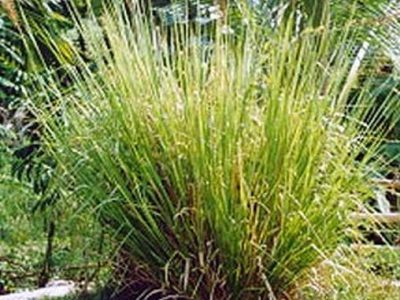
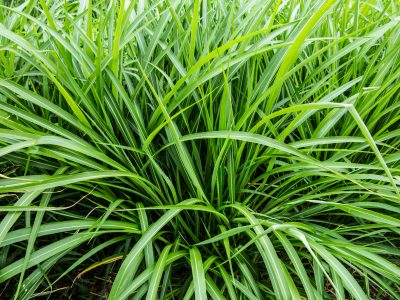
This plant is a perennial aromatic grass that grows up to 2 meter in height. The leaves are narrow, linear, erect; spikelets grey in a panicle of numerous racemes, fruits oblong grains.
-
Product Details
- Botanical name: Vetiveria zizanoides
- Origin: India
- Crop Season: All Year
- Plant/part used: Roots
- Method of extraction: CO2 Extraction
- TSCA CAS: 8016-96-4
- EINECS: 282-490-8
- Appearance: Golden to dark brown viscous liquid
- Organoleptic Properties: Woody herbaceous, spicy
- Density: 1.013 - 1.053 @25ºC
- Refractive index: 1.487 - 1.548 @20ºC
- Optical rotation: 23º to 43º
- Chemical constituents: Alpha Vetivone, Beta Vetivone, Khusimol, Khusimene, Cyclosativene, Isovalencenol
-
Latest Market Information July 7, 2025
Vetiver Oil witnessed a mildly positive market trend over the past quarter, with prices recovering steadily after earlier softness. Harvesting operations were underway across all major production zones, ensuring stable supply streams. Market demand for Vetiver oil remains strong, particularly from the personal care, spa, and relaxation sectors.
Market prices :USD 345.00 /kilo -
Product Enquiry
To ask us a fair quote for this product, please fill the following form:
-
Documents & Links