 Ultra International B.V.

Product: Palmarosa Oil
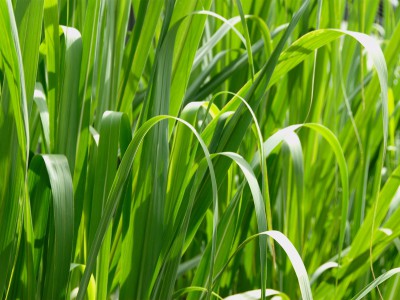 Typical grass of Cymbopogon winterianus
Palmarosa Oil India Cymbopogon martini
-
Description
Palmarosa oil is extracted from Cymbopogon martini of the Gramineae family and can also be known as East Indian and Turkish geranium.
The main growing areas in India are said to be the wetlands in the provinces of India, as well as Nepal. It is a slow growing grass which flowers over a 3 month period. Only the flower can it be harvested.
Palmarosa is high in geraniol which is not only used for its rose-like smell but for a number of medicinal and household uses. Palmarosa oil has been shown to be an effective antifungal and mosquito repellent. As for its popular rose-like odour it can be found in many cosmetics and soaps.
In 2014 Indian exports were around 30MT of palmarosa significantly down from 45MT in 2013. This could be largely due to a poor season leading to price increases. The USA is the largest importers of Indian palmarosa, contributing to around 35-40% of annual sales. Europe collectively is larger with 50% of the global sales with France taking around half of the total amount.
-
Product Details
- Botanical name: Cymbopogon martini
- Origin: India
- Crop Season: January - June
- Plant/part used: Grass
- Method of extraction: Steam distillation
- TSCA CAS: 8014-19-5
- EINECS CAS: 84649-81-0
- EINECS: 283-461-2
- INCI Name: Cymbopogon martini (palmarosa) Oil
- Appearance: Light yellow to yellow mobile liquid
- Organoleptic Properties: Sweet, floral, slightly dry with hints of rose
- Density: 0.879 - 0.892
- Refractive index: 1.474 - 1.477
- Optical rotation: -2° to +3°
- Chemical constituents: Geraniol, gernayl acetate, linalool, caryophyllene, trans-beta ocimene
- Fragrance usage: max. 8%
- Flavour usage: max. 15 ppm
- IFRA: Restricted by IFRA
- Allergens: Contains fragrance allergens
-
Latest Market Information August 1, 2024
Palmarosa is a popular essential oil used cosmetically as well as medicinally. The oil is derived from the Cymbopogon martini plant. It is an evergreen tree native to southeast Asia, especially India. It is a perennial grass, the stems of which can grow up to 3 m tall. It is planted at a distance of 1 metre between rows. It requires good sunlight and well-drained soil to prosper. An annual rainfall of 70– 80 cm is ideal for the cultivation of the plant. The crop is harvested when flowers bloom in the grass. Palmarosa oil is extracted from dried grass via steam distillation. The distilled oil mainly consists of geraniol and geranyl acetate. The oil has antiseptic properties and is used to heal wounds. Unpredictable weather and a lack of groundwater have resulted in a shortage of raw materials. This has led to a substantial increasein the price of oil since last month.
Market prices : USD 27.00 /kilo -
Product Enquiry
To ask us a fair quote for this product, please fill the following form:
-
Documents & Links
List of product Files